Cornell University | Department of Neurobiology and Behavior
Zifang "Frank" Zhao
Neural interfaces and closed-loop bioelectronics for systems neuroscience.
I develop implantable and wearable bioelectronic systems to record, stimulate, and modulate neural circuits in freely behaving animals. My research integrates neural interface hardware, soft bioelectronic materials, embedded sensing, and closed-loop intervention to study circuit dynamics in epilepsy, pain, and natural behavior.
Publications
A rolling view across publications in implantable neuroelectronics, ionic and organic biointerfaces, and high-resolution surface electrophysiology.
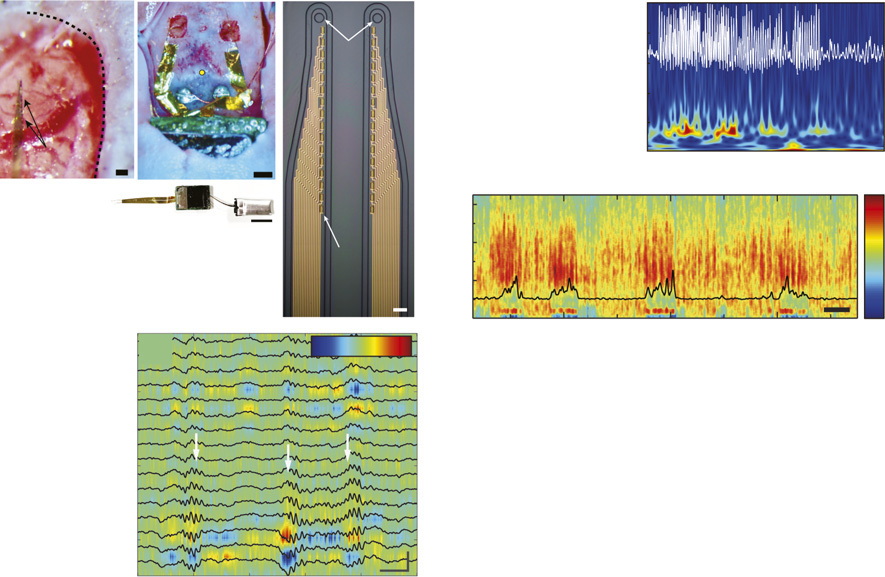
Responsive implantable neuroelectronics
Fully implantable multiplexed neuroelectronics for preclinical closed-loop recording and stimulation in pathological network activity.
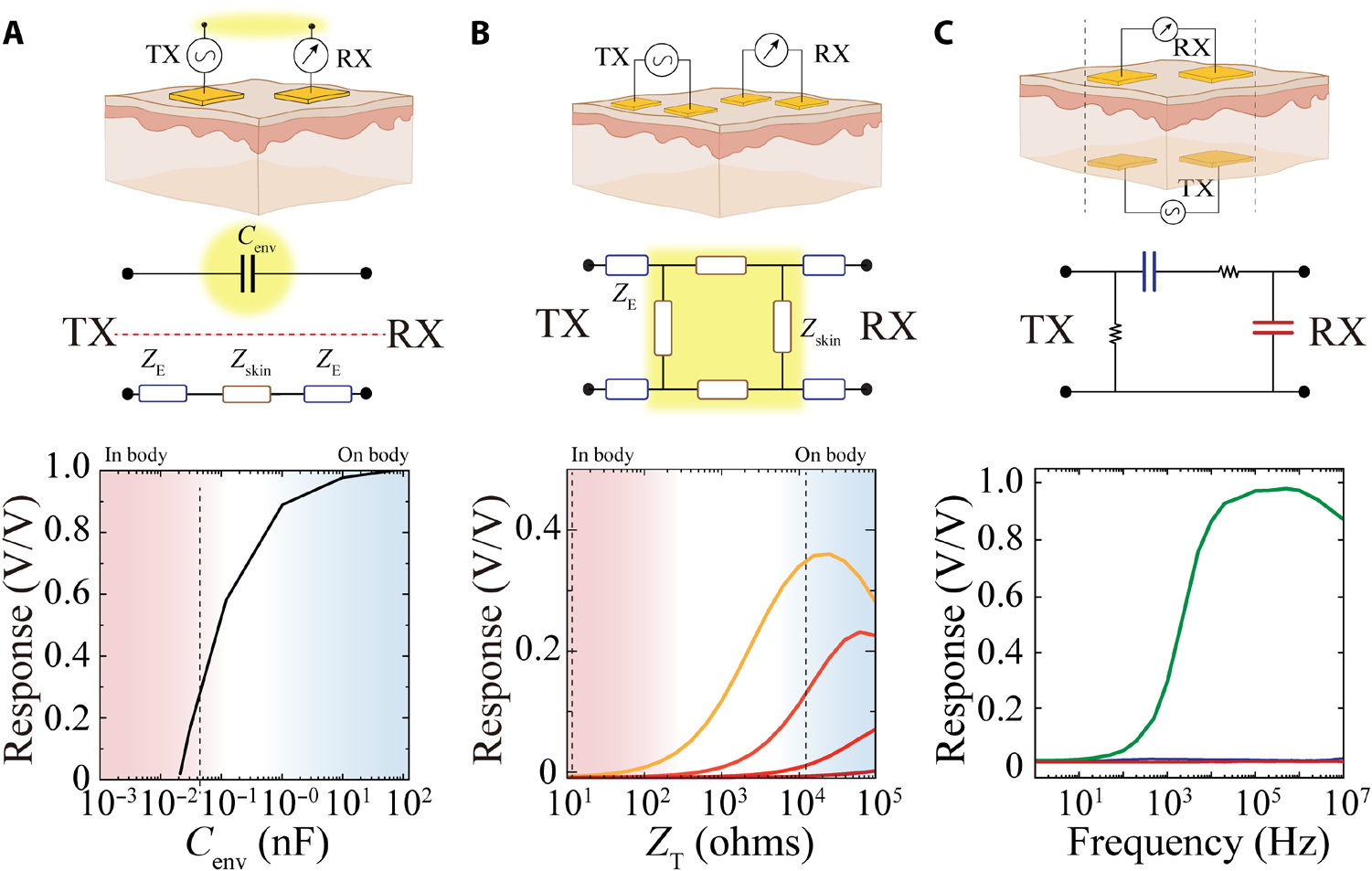
Ionic communication through tissue
Implantable bioelectronic communication strategies that use ionic conduction through tissue rather than conventional radio frequency links alone.
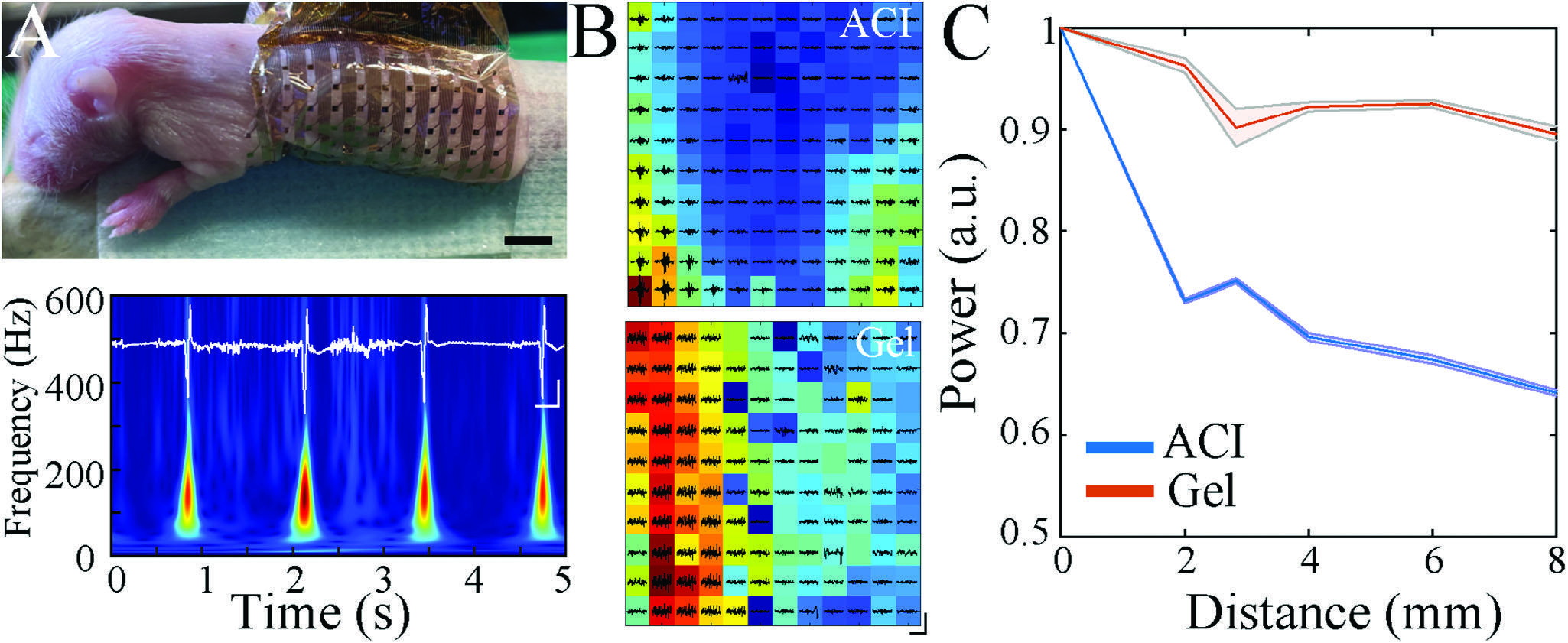
High-resolution epidermal interfaces
Interface engineering for denser and more spatially specific epidermal electrophysiology.
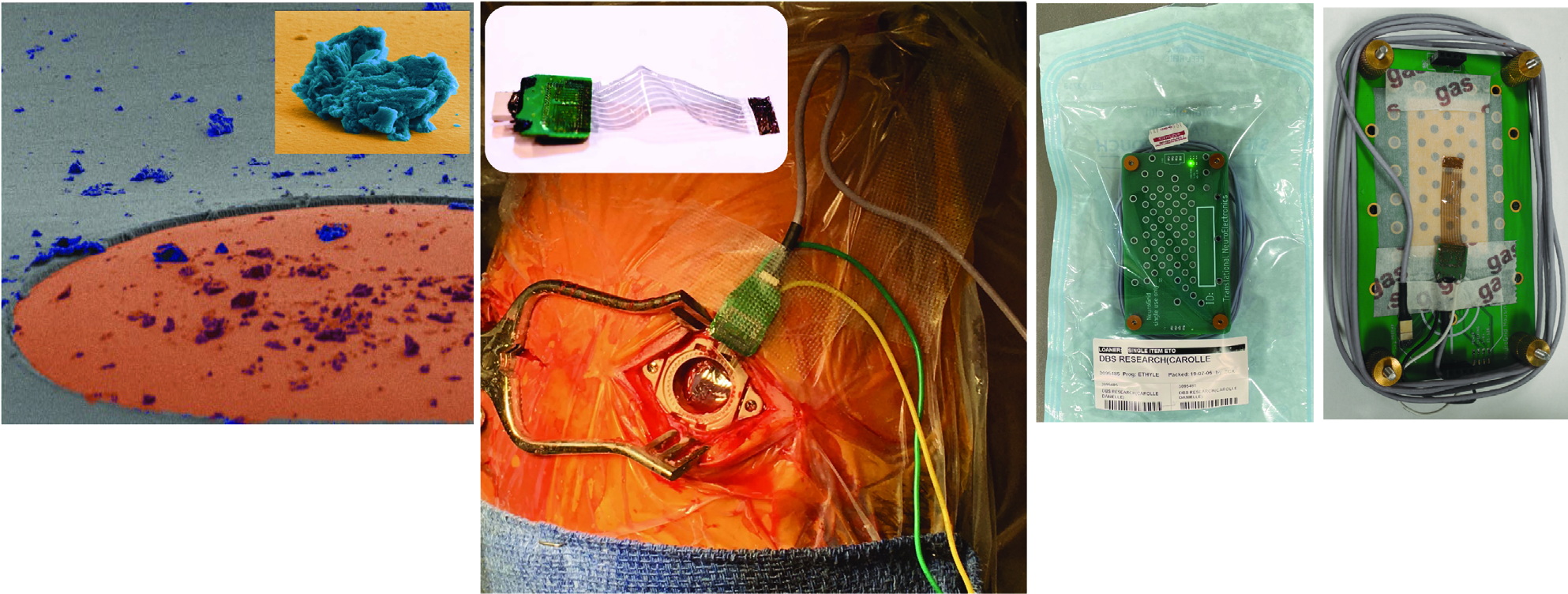
Single-neuron organic interfaces
Organic neural interfaces aimed at single-neuron-scale resolution with device architectures suitable for advanced neurotechnology development.
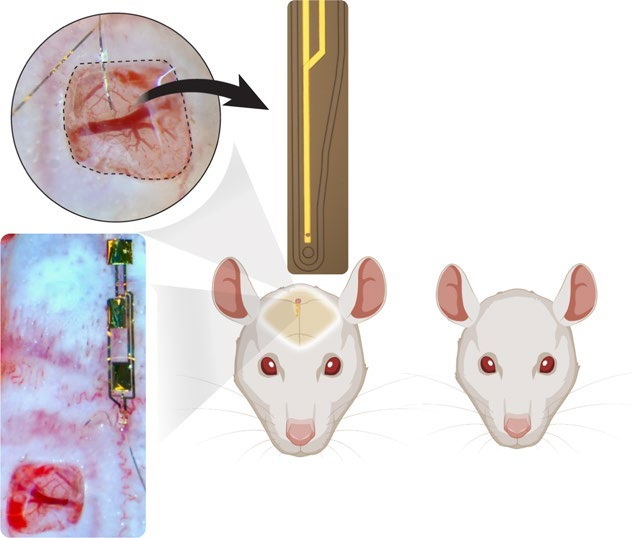
Conformable organic biointerfaces
Standalone organic electrochemical transistor systems for soft, conformable interfaces with biological tissue.
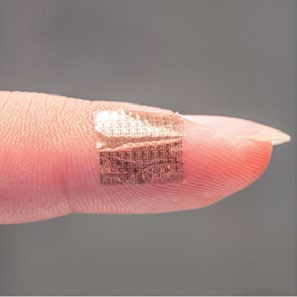
Event-based sensors for closed-loop neurostimulation
Low-energy organic sensing systems designed for fast, high-frequency closed-loop neurostimulation.
Research overview
Research Topics
My work is organized around neural interface technologies that support mechanistic questions in systems neuroscience rather than device performance in isolation.
Implantable and wearable neural interfaces
Implantable and wearable platforms for neural recording, stimulation, and low-power embedded control in preclinical neuroscience experiments.
Flexible and organic biointerfaces
Soft, conformable, and iontronic device architectures designed to improve tissue coupling, spatial resolution, and new modes of bioelectronic communication.
Closed-loop systems neuroscience
Experimental systems for biomarker-guided intervention and multimodal recording in epilepsy, pain, and naturalistic behavior.
Research direction
Technology Development for Mechanistic Neuroscience
Scientific direction
- Build neural interfaces that combine recording, stimulation, sensing, and embedded decision making.
- Use preclinical closed-loop systems to study circuit dynamics in epilepsy, pain, and natural behavior.
- Develop bioelectronic materials and form factors that expand what can be measured or perturbed in freely behaving animals.
Research approach
- Hardware design, materials, and analysis are developed alongside specific neuroscience questions.
- Projects are framed for experimental rigor and biological interpretability.
- Claims are kept bounded to preclinical and technology-development settings unless broader evidence exists.